
Ransomware is no longer limited to encrypting files and demanding payment for a decryption key. In recent years, criminal groups have turned extortion into a more aggressive strategy: they steal data, threaten to publish it and, in some cases, also pressure the affected organization’s customers, suppliers, partners or employees.
This is where triple extortion ransomware comes in, an evolution of the traditional attack designed to increase reputational, legal and operational damage to force payment. For businesses, CISOs and IT leaders, the challenge is no longer just restoring systems, but managing a crisis that can spread beyond the corporate network.

Fast & Guaranteed Recovery
HelpRansomware provides a 100% guaranteed ransomware removal and data recovery service, with 24/7 worldwide assistance.
What Is Triple Extortion Ransomware?
Triple extortion ransomware is a type of attack in which cybercriminals combine several layers of pressure against the victim. The first is encrypting systems or files. The second is threatening to publish or sell stolen data.
The third adds further pressure tactics, such as contacting customers, partners, suppliers or the media, or even launching DDoS attacks against the company’s public-facing services.
French cybersecurity agency ANSSI explained in its Cyber Threat Overview 2025 that double extortion can be supplemented by additional tactics, such as distributed denial-of-service attacks or contacting the victim’s partners and customers, in what it describes as an attempt at triple extortion.
This shift turns a ransomware attack into a broader crisis. The organization is no longer negotiating solely to recover files: it is also trying to contain public exposure, protect third-party trust and prevent the incident from escalating to customers or business partners.
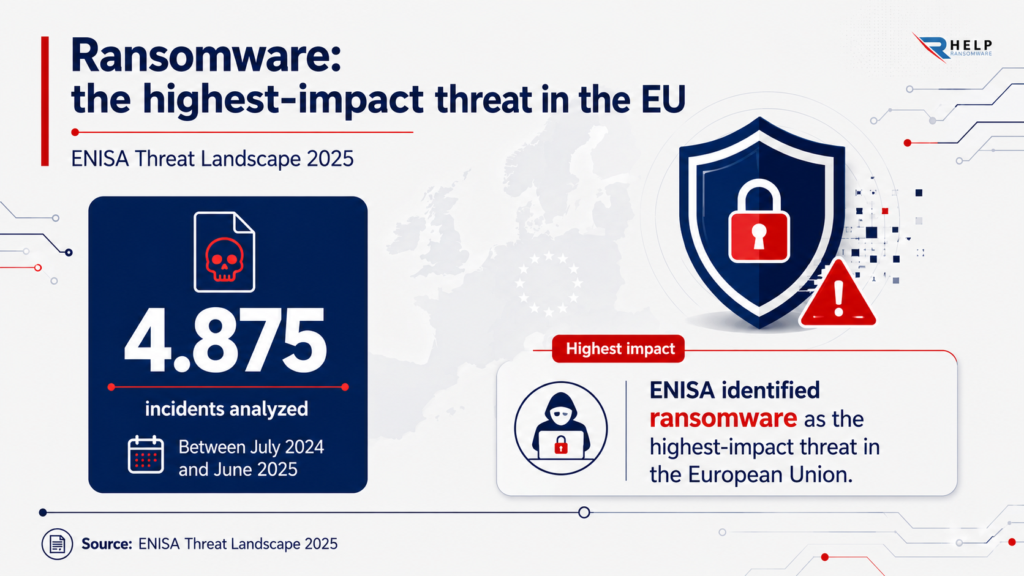
The scale of the problem confirms why this evolution of ransomware must be treated as a strategic threat, not just a technical one.
How a Triple Extortion Attack Works
A triple extortion ransomware attack often begins like many modern intrusions: phishing, stolen credentials, unpatched vulnerabilities, exposed remote access or abuse of suppliers.
Once inside, attackers seek higher privileges, identify sensitive information, exfiltrate data and prepare the encryption stage.
Then comes the pressure phase. First, criminals lock systems or disrupt critical processes. Next, they show proof of the stolen data and threaten to leak it. Finally, they may contact customers, partners or employees to increase fear and make the company appear unable to protect information entrusted to it by third parties.
From Encrypting Files to Pressuring Third Parties
The key difference from traditional ransomware lies in the psychological objective. Triple extortion aims to make the victim feel pressure from several fronts at once: halted operations, exposed data, worried customers and a threatened reputation.
This external pressure can be harder to manage than the encryption itself. Even with working backups, the company may face claims, loss of trust, regulatory investigations or questions from customers who have been contacted directly by the attackers.
Why Businesses Are So Concerned
Triple extortion ransomware is a major concern because it turns a technical incident into a full-scale business crisis. The impact can affect sales, customer service, the supply chain, corporate communications, contracts, regulatory compliance and third-party relationships.
The FBI reported in its Internet Crime Report 2025 that IC3 received more than 3,600 ransomware complaints during 2025, with losses exceeding $32 million. The same report identified 63 new ransomware variants reported through IC3, an average of 5.25 new variants per month.
These figures show that ransomware continues to evolve and fragment. For a business, this means it is not enough to prepare a response to a known family. Organizations need a business cybersecurity strategy capable of anticipating attacks in which extortion is also directed at the victim’s commercial ecosystem.
Recent Cases and Pressure Tactics
Ransomware groups have used different tactics to increase pressure: leaking data on dark web sites, phone calls, threats to internal contacts, exposure of sensitive information or attacks against public-facing services.
In 2025, an updated joint advisory from the Australian Cyber Security Centre on Play ransomware stated that the group used double extortion, encrypted systems after exfiltrating data and threatened to publish stolen information on leak sites if the victim did not pay.
The advisory also noted that some victims received phone calls intended to pressure them, including calls to publicly available numbers such as help desks or customer service lines.
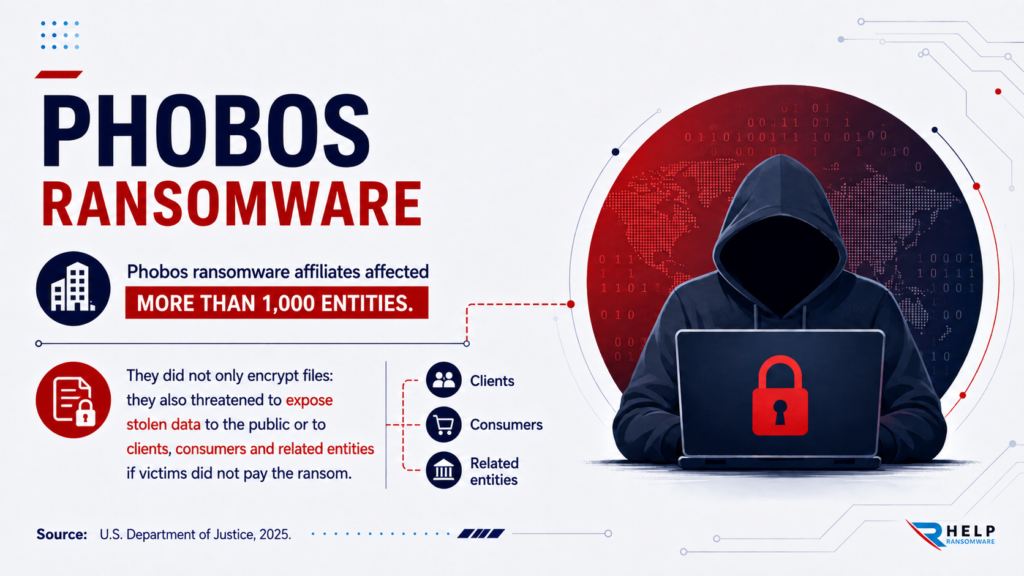
This type of pressure is key to understanding triple extortion ransomware. Although not every criminal group uses the same tactics, the trend is clear: attackers are seeking to expand the impact beyond the IT department and push the crisis toward customers, consumers or entities connected to the victim.
The Phobos ransomware case shows how pressure on third parties can form part of an extortion strategy.
The Role of Reputation in Extortion
Reputation has become a tool of pressure. Attackers know that many businesses fear the publication of data or loss of trust more than technical disruption.
That is why preparation should include crisis communications, legal management, customer relations and evidence preservation.
When an organization has no prepared messaging or clearly assigned owners, criminals can exploit the silence to impose their own narrative. In a triple extortion attack, communicating too late or poorly can increase the damage.

Expert Ransomware Removal
Our certified professionals have over 25 years of experience in ransomware removal, data recovery, and computer security.
Impact on Customers, Partners and the Supply Chain
Triple extortion can extend the impact beyond the attacked company when stolen data includes information belonging to customers, suppliers or other third parties.
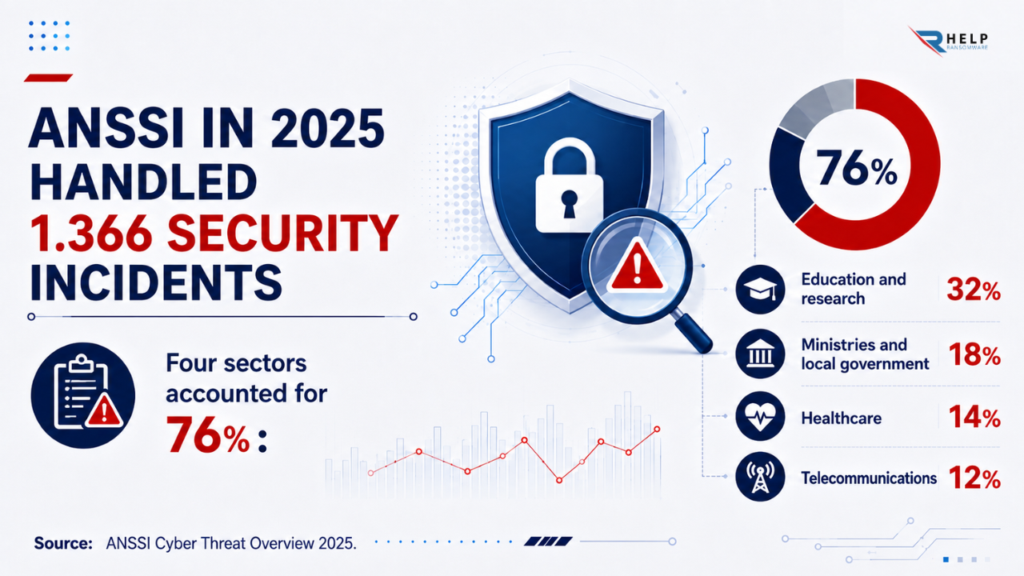
ANSSI has warned that compromising service providers can directly affect their customers, including by causing operational outages and disruption across organizations in the same sector.
For this reason, triple extortion ransomware should be analyzed alongside business data protection. The risk does not end when systems are restored: organizations must also determine what information was taken, who is affected and what obligations are triggered.
How to Prepare for Triple Extortion Ransomware
Preparing for triple extortion ransomware requires a combination of technical prevention, business continuity, legal response and communications. It is essential to reduce initial access through patching, MFA, VPN and RDP protection, least privilege, monitoring and network segmentation, while maintaining protected offline or off-site backups and tested restoration processes.
It is also essential to maintain a data inventory that identifies which information is critical, where it is stored, who can access it and which third parties could be affected by exfiltration.
Coordinated Response and Crisis Communications
The response should be built into a cyber incident response plan that covers multiple-extortion scenarios. This means defining who makes decisions, who handles communications, who speaks with customers, who preserves evidence and how potential data exposure is assessed.
If systems have been encrypted, technical analysis and ransomware recovery may form part of the recovery process.
However, in a triple extortion attack, restoring files is not enough: the organization must also manage the threat of publication, external communications and reputational impact.
Conclusion
Triple extortion ransomware shows that ransomware is no longer just a problem of locked systems. It is a business pressure strategy that combines encryption, data theft and exposure to third parties to force decisions under fear.
For CISOs and IT leaders, the priority is to stay ahead of the threat. Businesses need tested backups, access controls, a data inventory, an incident response plan, crisis communications and recovery capabilities. The difference between a contained crisis and a severe disruption often comes down to preparation.
At HelpRansomware, we help organizations respond to ransomware incidents, recover critical information and strengthen their cyber resilience against advanced extortion threats.
FAQ
Because backups help restore systems, but they do not eliminate the threat of data publication or pressure on customers, partners or employees. Technical recovery does not always resolve reputational damage.
Double extortion combines encryption with the threat of leaking data. Triple extortion adds a third layer of pressure, such as DDoS attacks, contacting customers or making direct threats against third parties connected to the victim.
Yes. Contracts, intellectual property, financial information, employee data, credentials, sensitive technical documentation or internal communications can also be used to pressure the organization.
It should activate crisis communications, preserve evidence, coordinate legal and security teams, verify what data was exfiltrated and communicate clearly. Ignoring external pressure can increase uncertainty and reputational damage.
The company should review remote access, MFA, administrative privileges, backups, segmentation, its inventory of critical data, connected suppliers and its actual ability to respond to exfiltration.