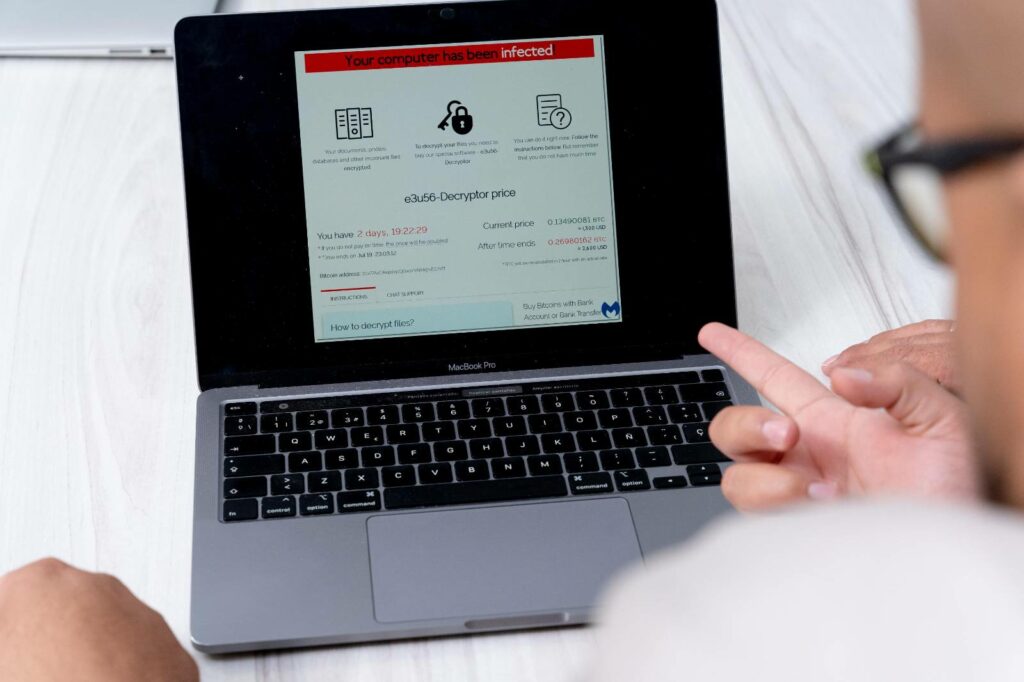
A dark web data leak is one of the most serious consequences of a ransomware attack. The problem does not end when systems are back online: if attackers stole information before encrypting files, the company may remain exposed for weeks or months.
In this scenario, the question is no longer only whether the data was encrypted, but whether it was also copied, classified, and prepared for publication or sale. Detecting that exposure early can make the difference between a controlled crisis and greater reputational damage.
After an incident, the review must go beyond technical recovery. The company needs to know what information may have left the environment, where it could appear, and what measures to activate before the leak turns into public pressure.
Immediate Ransomware Help
Don’t let ransomware hold your business hostage. Our experts are ready to recover your data and secure your systems.
What Is a Dark Web Data Leak?
A dark web data leak occurs when information stolen from a company is published, advertised, or traded in spaces used by cybercriminals. It may appear on underground forums, credential marketplaces, illegal markets, or leak sites linked to ransomware groups.
The ENISA Threat Landscape 2025 analyzed 4,875 incidents between July 2024 and June 2025 and identified ransomware as the highest-impact threat in the European Union. For this reason, data leaks can no longer be treated as a side effect, but rather as a central part of the extortion.
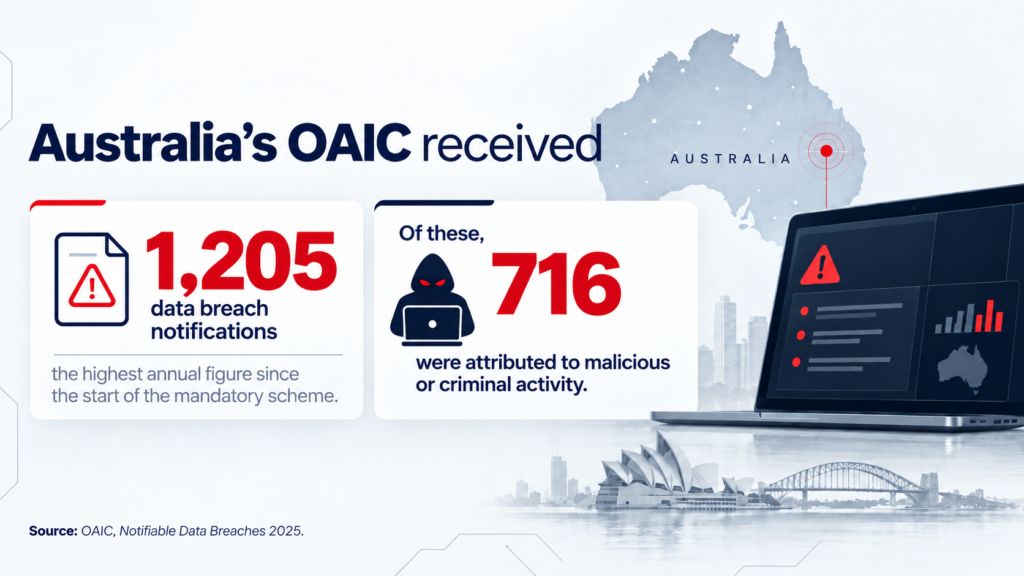
When attackers publish samples, they seek to prove the theft and generate commercial, legal, and media pressure. In practice, the leak turns a ransomware attack into a crisis of trust—a risk that official data breach figures already confirm.
Why Data Leaks Happen After Ransomware
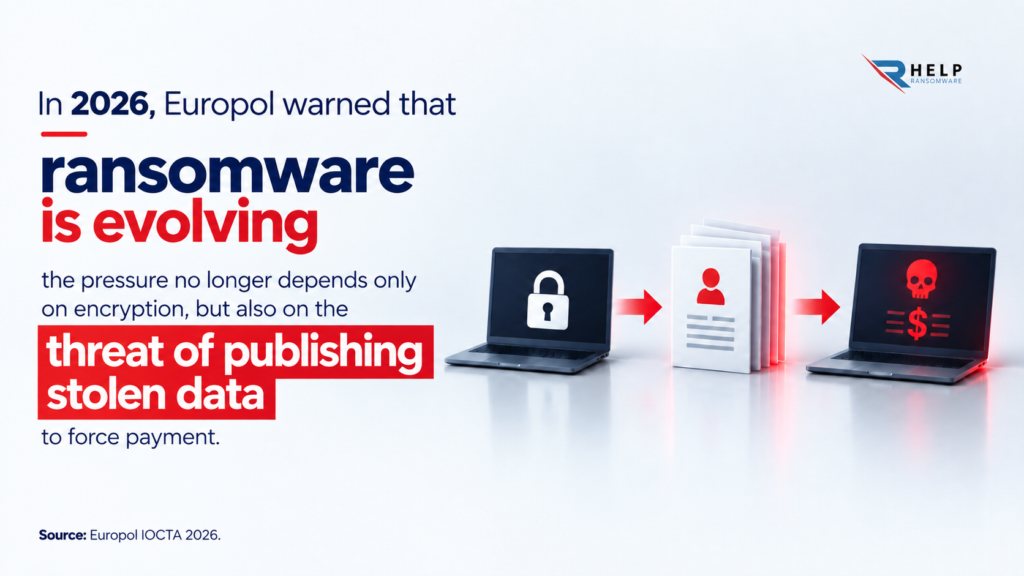
Modern ransomware often includes an exfiltration phase before encryption. Before encrypting systems, attackers search shared folders, databases, emails, contracts, credentials, and any information that can be used to pressure the victim.
The NCSC warns that after a ransomware attack, organizations should assume they have lost control of their information and that, if the demand is not met, criminals may publish some or all of the data on a dark web leak site. This approach reinforces the connection between ransomware, data theft, and cyber extortion.
The leak also acts as psychological pressure. Even if the company restores its systems, attackers may continue threatening to publish information about customers, suppliers, or employees.
What Data Is Most Likely to Be Exposed?
Not all data breaches have the same impact. The severity depends on the type of information compromised and the sector affected.
Legal obligations and the organization’s relationship with customers, suppliers, or partners also play a role. The response should therefore be adapted to the specific consequences and stakeholders involved.
Credentials and Access
Credentials are among the most dangerous assets when exposed. Usernames, passwords, tokens, API keys, VPN access, or administrative accounts can enable new attacks, lateral movement, or intrusions against suppliers and customers.
Compromised credentials may also remain useful long after the initial breach if they are not revoked quickly. For this reason, credential rotation and access review should be prioritized immediately.
Customer Data, Contracts, and Internal Documentation
Customer databases, identity documents, financial information, employee records, contracts, support tickets, or internal emails may also be leaked.
If they contain personal data or trade secrets, the company must assess notification requirements and containment measures.
This is where a data inventory and a Data Breach Protection service become essential for assessing the scope of exposure. Without knowing which data was compromised, any external communication may be inaccurate.
How to Detect Whether Your Data Is Already on the Dark Web
Detecting a leak does not mean entering underground forums without a plan.
The company should work with specialized teams, preserve evidence, and coordinate the investigation with legal counsel to confirm whether information has been published, offered for sale, or otherwise exposed.
Warning signs may include mentions of the company on leak sites, corporate domains in credential lists, samples of internal files, or extortion emails containing proof of the theft.
It is also important to review logs, unusual access, outbound transfers, synchronization tools, external storage, and after-hours activity. Early detection combines external intelligence with internal forensic investigation.
Real Case: When a Leak Becomes Extortion
Court cases show how criminal groups use data leaks as part of their pressure model. In 2025, the U.S. Department of Justice reported that the group linked to Phobos ransomware had allegedly affected more than 1,000 public and private entities in the United States and other countries.
According to the DOJ, the defendants copied and stole files from victims’ networks, encrypted the original data, and threatened to expose the stolen information to the public, customers, consumers, or related entities if the ransom was not paid. They also allegedly operated a dark web site where they repeated the threats and published stolen data.
This case demonstrates that data breaches can damage a company’s reputation, jeopardize business relationships, and heighten fears among third parties associated with the victim.
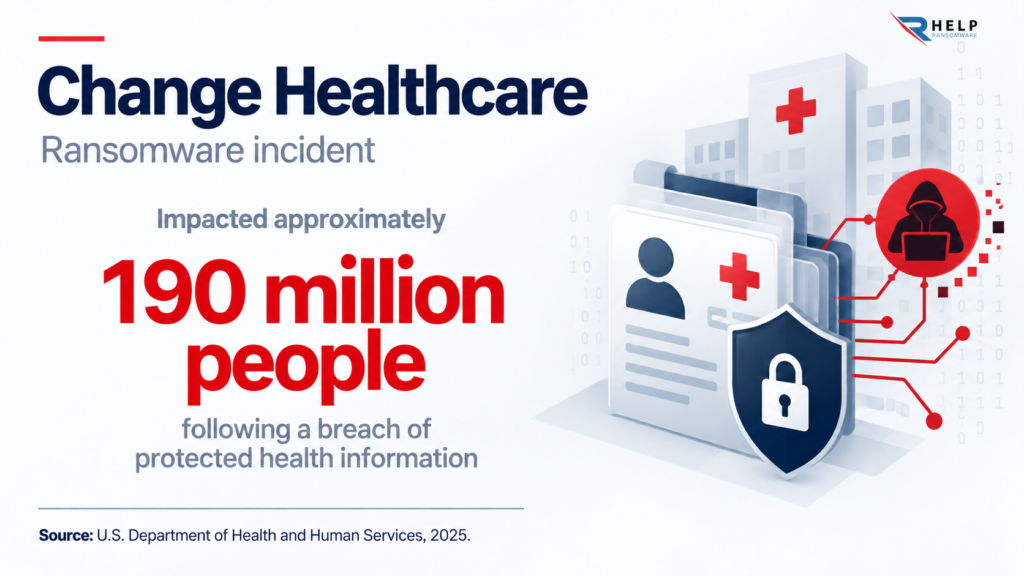
The impact is better understood when one considers the scope of an actual large-scale data breach.
What to Do If Your Company Data Appears on the Dark Web
If a dark web data leak is confirmed, the response must be fast, documented, and coordinated. The first step is to activate the cyberattack response plan and define a crisis team involving IT, legal, communications, management, and business owners.
The #StopRansomware Guide from CISA and MS-ISAC recommends treating ransomware as an incident that may involve data exfiltration, pressure to publish stolen information, and coordinated recovery. It also advises monitoring the dark web for compromised credentials.
Next, preserve evidence, identify the intrusion, block compromised access, reset credentials, revoke tokens, strengthen MFA, and verify whether attackers still have persistence. In parallel, analyze which data has appeared, whether it is authentic, and who is affected.
Communication and Legal Obligations
Communication should not be improvised. If customers, employees, or partners are affected, the company needs clear, verifiable messages.
Concealing the leak or communicating before confirming its scope can increase legal and reputational exposure.

Expert Ransomware Removal
Our certified professionals have over 25 years of experience in ransomware removal, data recovery, and computer security.
How to Reduce the Risk of a Data Leak After Ransomware
Prevention starts before the attack. The company should segment networks, limit privileges, enforce MFA, secure remote access, encrypt sensitive data, log outbound transfers, and monitor anomalous behavior. The harder it is to exfiltrate information, the less leverage the attacker has.
It is also important for backups to be protected, isolated, and tested. If encryption has already occurred, ransomware decryption may help recover critical information, but the investigation must also confirm whether data was stolen.
Preparation combines technical recovery and cyber resilience. A resilient company does more than restore systems: it responds to leaks, protects third parties, meets its obligations, and reduces the impact of public exposure.
Text for image 3: place before the conclusion.
In 2026, CISA reported that Medusa ransomware had impacted more than 500 victims and threatened to publish exfiltrated data. Source: CISA #StopRansomware: Medusa Ransomware.
Conclusion
A dark web data leak can extend the impact of ransomware long after systems have been restored. The company loses control over sensitive information and faces risks of fraud, public pressure, loss of trust, and further intrusions.
That is why the response must integrate forensic analysis, recovery, exposure monitoring, legal management, and crisis communications.
It is also essential to determine what data was taken and what actions are needed to protect third parties.
At HelpRansomware, we help businesses respond to ransomware, assess data leaks, recover critical information, and strengthen prevention against digital extortion. Acting quickly can prevent a public crisis.
FAQ
No. Paying does not guarantee that criminals will delete the stolen information or refrain from selling it later. Once exfiltrated, the data is no longer under the company’s control. There is also no reliable way to verify that all copies have actually been destroyed.
Not always. It can also result from phishing, stolen credentials, compromised suppliers, misconfigured databases, or improper internal access. However, modern ransomware often includes information theft before encryption.
It should analyze samples, metadata, file structure, dates, and evidence of exfiltration. This verification should be carried out by technical and legal teams.The findings should also be compared with internal systems to determine what information was actually compromised. This helps define the scope of the incident and guide the appropriate response measures.
Credentials, personal information, financial data, contracts, customer databases, and legal documents should be reviewed first. Priority depends on operational and legal impact. The assessment should also consider the sensitivity of the exposed information and the number of people affected. This helps determine which risks require immediate action.
The company should respond with verified information, explain what is being investigated, avoid speculation, and communicate concrete measures. Coordinated transparency helps protect trust.