
For years, cybersecurity discussions have focused primarily on cyberattacks. Ransomware incidents, fraud campaigns, data breaches, and critical vulnerabilities have dominated headlines and shaped the way organizations approach digital security.
However, the digital landscape is evolving. The recent decision by the European Commission to fine Temu for breaches related to the Digital Services Act (DSA) has brought attention to an issue that has often received less visibility: the responsibility of digital platforms to protect users and actively manage the risks associated with their services.
According to information published by INCIBE and the European Commission, the sanction represents one of the most significant examples of the practical enforcement of the DSA against a major online platform.
Beyond the financial penalty itself, the case raises an important question for every organization operating online: risk management, transparency, and user protection are no longer optional considerations. They are becoming fundamental responsibilities.
Today, organizations are no longer evaluated solely on their ability to respond to cyber threats. They are increasingly judged by how effectively they manage digital risks, oversee their platforms, and build trust in an increasingly complex digital economy.
Security Is No Longer Just About Stopping Attacks
When people think about cybersecurity, they often picture cybercriminals attempting to steal data or compromise systems. Yet many of today’s digital risks are not exclusively linked to external attacks.
They are also connected to how organizations identify weaknesses, monitor their services, and mitigate risks before they affect users.
The Temu case demonstrates that digital security is no longer measured solely by the absence of incidents. Organizations are increasingly expected to prove that they have effective oversight mechanisms, governance structures, and risk management processes capable of protecting millions of users.
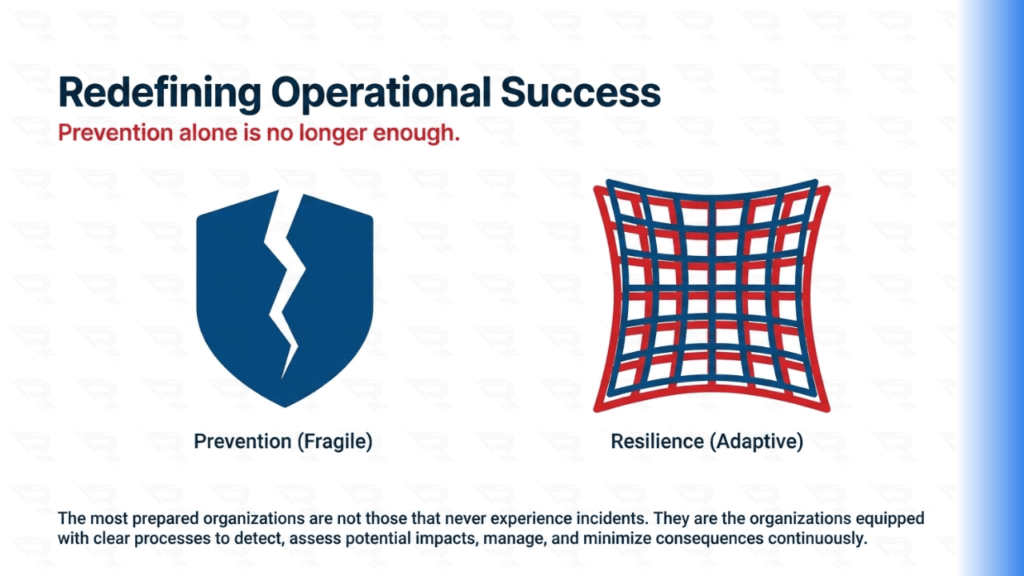
Prevention alone is no longer enough. The ability to anticipate and manage risks has become a critical component of digital trust.
The Growing Role of the Digital Services Act
The emergence of stronger regulations, including the principles explored in ransomware and cybersecurity law, reflects a broader shift in how governments view digital responsibility.
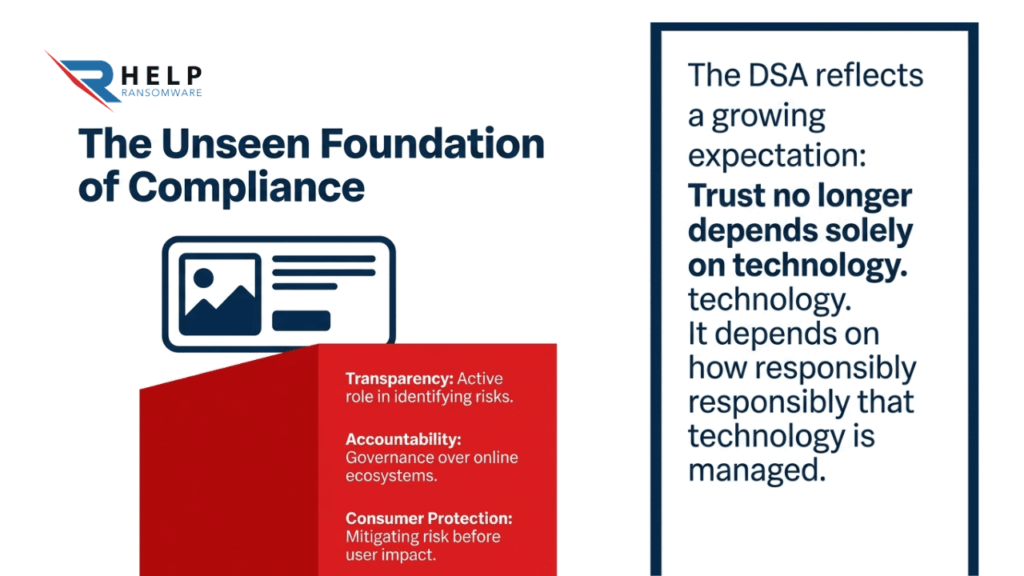
The Digital Services Act aims to increase transparency, reduce risks for consumers, and require greater accountability from platforms that have significant influence over online ecosystems.
Beyond its legal requirements, the DSA reflects a growing expectation that organizations must take an active role in identifying and managing digital risks before they escalate into larger problems.
Trust no longer depends solely on technology. It also depends on how responsibly that technology is managed.
Data Remains One of the Most Valuable Corporate Assets
Every digital interaction generates information. Every service collects data. Every online transaction contributes to a growing pool of valuable digital assets.
This is why the importance of protecting data has become a strategic priority across industries.
Protecting information is not simply about regulatory compliance. It is about preserving customer confidence, maintaining business relationships, and safeguarding long-term organizational credibility.
As digital transformation accelerates, data has become one of the most attractive targets for cybercriminals, malicious actors, and organized groups involved in cybercrime activities.
Information is an asset. Like any strategic asset, it requires continuous protection, monitoring, and governance.
The Reputational Impact of Digital Risk
One of the most important lessons from the Temu case is that the consequences of a digital incident often extend far beyond technical systems.
When an organization becomes associated with concerns regarding security, transparency, or user protection, public perception can change rapidly.
Trust is one of the most difficult assets to build and one of the easiest to lose.
This is why understanding how to avoid a reputational crisis after a data breach has become increasingly important for organizations that rely heavily on digital channels and customer trust.
In many situations, the greatest challenge is not resolving the initial issue. It is rebuilding confidence once it has been damaged.
Digital reputation has become an extension of cybersecurity itself.
Preparing for a More Demanding Environment
Growing regulatory pressure and an increasingly complex threat landscape require organizations to adopt a broader view of cybersecurity.
Reacting to incidents is no longer sufficient. Organizations must develop the ability to identify risks, assess potential impacts, and continuously improve their protective measures.
This is why advanced cybersecurity strategies are becoming increasingly important for organizations seeking to strengthen their digital resilience.
The most prepared organizations are not necessarily those that never experience incidents. They are the ones that have clear processes to detect, manage, and minimize their consequences.
Resilience is becoming just as important as prevention.
Technology, Innovation, and Responsibility
Digital transformation continues to accelerate, bringing new technologies into every sector of the economy.
The adoption of solutions powered by AI in cybersecurity is transforming the way organizations detect threats, analyze risks, and protect digital assets.
At the same time, innovation introduces new responsibilities.
As platforms gain greater influence over users, markets, and information flows, the need for transparency, accountability, and risk management becomes increasingly important.
The Temu case highlights this evolving balance between technological innovation and organizational responsibility.
A Signal About Europe’s Digital Future
The European Commission’s action against Temu should not be viewed solely as a sanction against a single platform. It represents a broader signal about the digital model Europe aims to build in the coming years.
A model where security, transparency, user protection, and responsible risk management play a central role.
Cybersecurity is no longer just about stopping attacks. It is about building trust, protecting information, and demonstrating that organizations have the structures necessary to manage digital risks effectively.
Because in today’s digital economy, trust has become one of the most valuable assets an organization can possess—and one of the easiest to lose.