Introduction
Ransomware has become a structural threat to global businesses, a crisis capable of striking with surgical speed, destabilising operations, and jeopardising reputations built over years. These are no longer isolated incidents, nor attacks limited to technically unprepared organisations. On the contrary, criminal groups now operate like true multinational enterprises, with specialised divisions for infrastructure compromise, data exfiltration, and ransom negotiation.
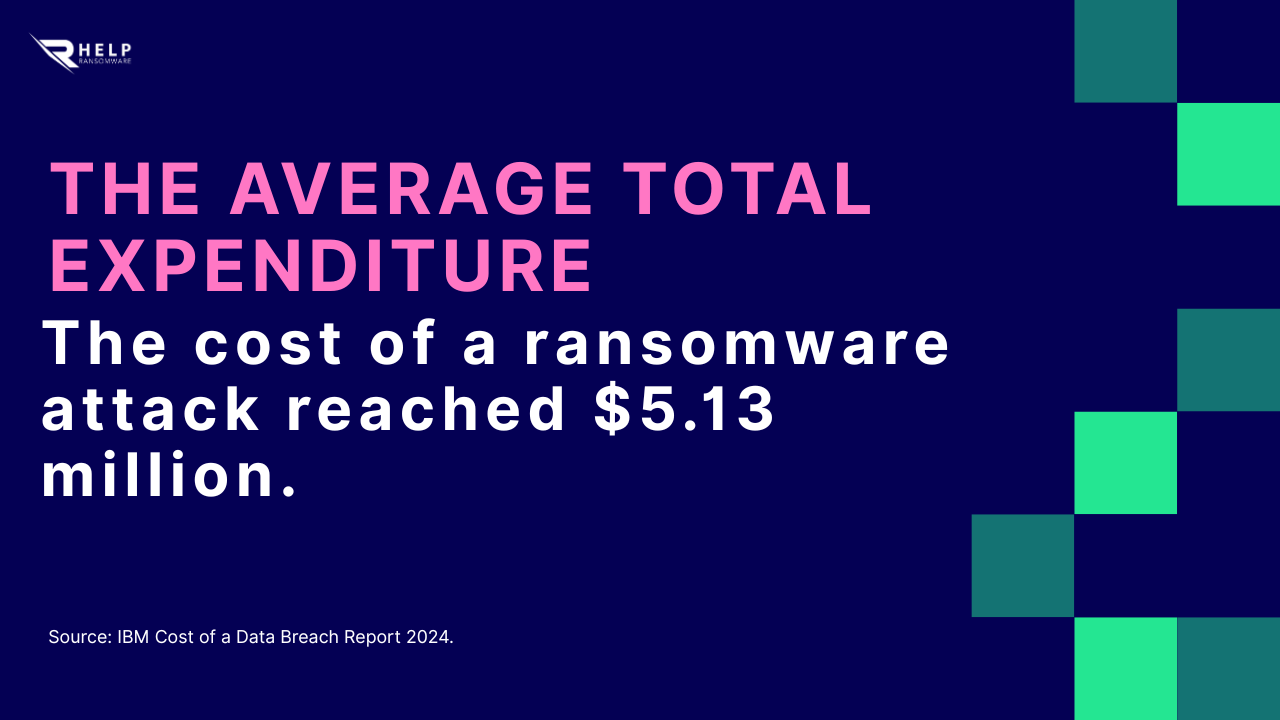
According to the IBM Cost of a Data Breach Report 2024, ransomware remains the type of cybersecurity incident with the highest economic impact. The average cost includes not only technical system restoration, but also productivity loss, legal assistance, communication management, and—most critically—reputational damage, often the hardest to quantify and recover.
In this scenario, understanding the impact of ransomware means preparing not only for a data breach, but for a potential corporate crisis.
What ransomware is and why it keeps growing
Ransomware has reached levels of complexity that make it a cross-border threat involving governments, businesses, and critical infrastructures. Its diffusion no longer depends solely on the attackers’ technical capabilities but on a structured criminal ecosystem composed of affiliates, access brokers, and groups specialised in data monetisation.
The professionalisation of cybercrime
The Europol IOCTA 2024 report clearly identifies ransomware as the number one cyber threat in Europe and the global market, with a significant rise in multi-extortion techniques and increased attacker ability to infiltrate corporate networks undetected.
Similarly, CISA highlights that the main causes of compromise include targeted phishing, stolen credentials, and unpatched vulnerabilities—evidence of a structural problem across sectors: the lack of consistent and enforced security processes.
As Andrea Baggio, CEO of HelpRansomware, notes:
«Ransomware exploits everything a company fails to control: procedures, patches, digital identities. Technology alone is not enough—you need organisational discipline.»
Immediate Ransomware Help
Don’t let ransomware hold your business hostage. Our experts are ready to recover your data and secure your systems.
Identifying and containing the attack
Recognising an attack in progress is the most complex challenge: criminals exploit increasingly rapid techniques to propagate laterally through corporate networks. The ability to identify suspicious activity in its early stages may determine whether the damage remains contained or escalates into full operational shutdown.
Time: the most dangerous enemy
The NIST Computer Security Incident Handling Guide shows that once an endpoint is compromised, attackers need very little time to move laterally and expand control over internal systems.
CISA, in its 2024 alerts, confirms that many modern ransomware groups can initiate data encryption within minutes of initial access, leveraging legitimate tools already present in company systems (“living off the land”).
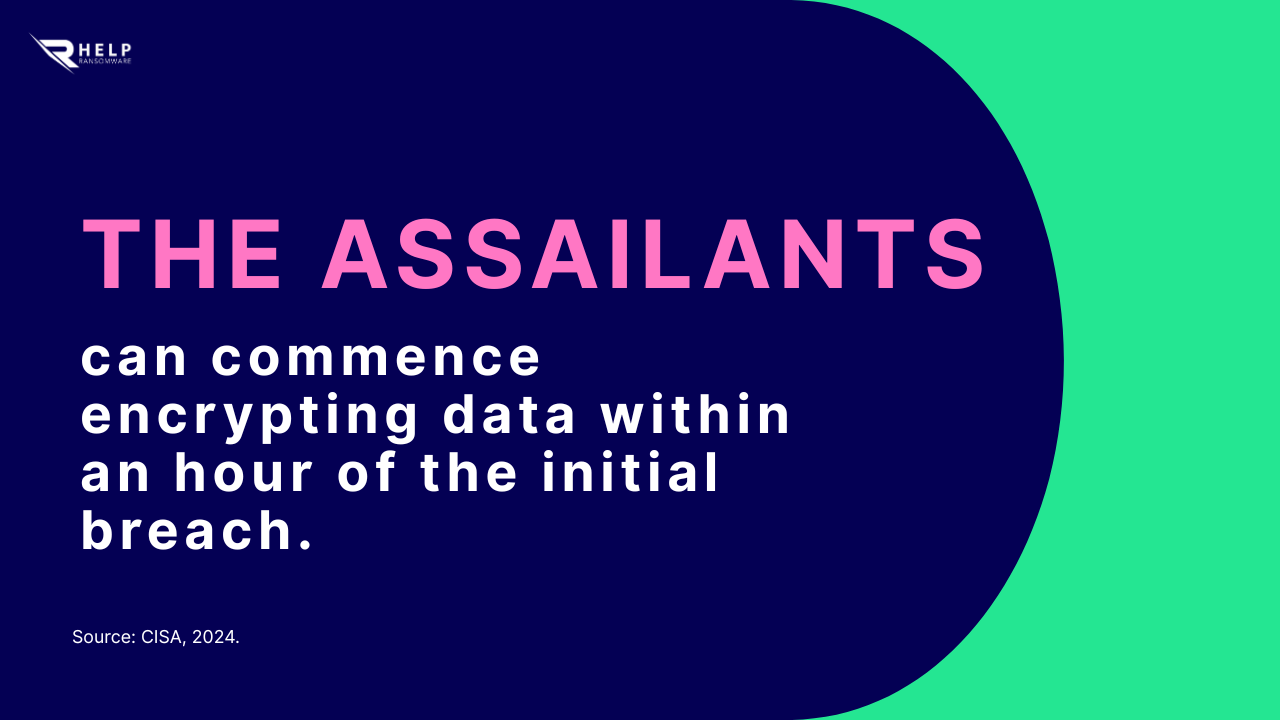
For this reason, containment must be immediate: isolating compromised systems, revoking credentials, shutting down lateral communication channels, and activating the internal response protocol. Any delay exponentially increases the damage surface.
Activating and coordinating the response
If identification is the first line of defence, response coordination is the heart of emergency management. A ransomware attack involves technical, legal, operational, and communication aspects: no department can handle it alone.
Teamwork to prevent escalation
The IT department must collaborate with legal teams to understand notification obligations, while communication departments must carefully manage information shared with employees and stakeholders. At the same time, expert support is essential.
HelpRansomware provides response teams capable of acting rapidly, assessing the situation, containing the damage, and starting the recovery process.
Restoring and verifying backups
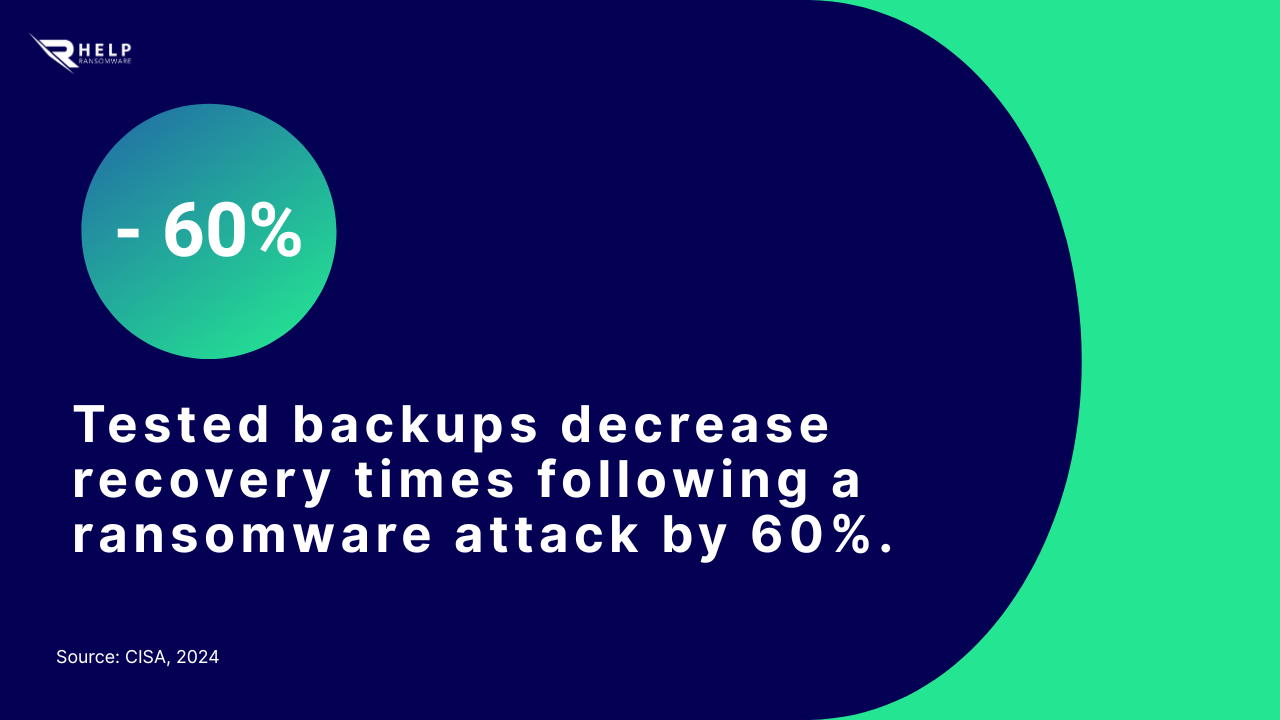
Recovery requires protected and—above all—verified backups. Many companies discover during an attack that their backups are outdated, untested, or compromised by the attackers themselves.
The Microsoft Digital Defense Report highlights that many ransomware families are designed to search for and destroy network-connected backups, compromising all copies that are not offline.
Backups: only useful if properly protected
The NIST Special Publication 800-209 confirms the need to implement “immutable” backup strategies—offline, securely isolated, and subject to integrity checks. Without periodic testing and anti-tampering protections, backups provide only a false sense of security.
Recovery therefore requires a combination of technical analysis, security verification, and forensic checks to avoid reintroducing malicious components.
Post-incident analysis and continuous improvement
After overcoming the acute phase of the attack, the organisation must start a complete analysis of the incident. This step is crucial to prevent further compromises and improve existing defences.
The phase includes forensic assessments, policy updates, privileged access review, implementation of multi-factor authentication, and strengthening of monitoring tools.
Resilience as a strategy
Continuous improvement is what separates a vulnerable organisation from a resilient one. Companies that invest in prevention, training, and secure configuration are those capable of significantly reducing the impact of future attacks.

Immediate Ransomware Help
Don’t let ransomware hold your business hostage. Our experts are ready to recover your data and secure your systems.
Conclusion
Ransomware is far more than malware: it is a systemic threat that tests companies’ ability to react, protect their information assets, and maintain customer trust. An attack can lead to economic damage, operational disruption, and reputational crises. But with expert support, prevention strategies, and rapid response, a potentially devastating threat can become an opportunity to strengthen security.
Frequently Asked Questions (F.A.Q.)
Over $5 million according to IBM, considering downtime, restoration, and reputational damage.
A task force involving IT, legal, communications, and management, supported by external experts.
Only if protected, tested, and kept offline. Many attackers specifically target backups.
No. Payment does not guarantee file recovery and encourages further attacks.
Immediate support, containment, forensic analysis, restoration, and preventive strategies.
Yes. They often lack advanced defences and become ideal targets.