
The question is no longer only whether a company will suffer a security incident, but how long it will take to detect it, contain it, and resume operations. In an environment where ransomware, cyber extortion, credential theft, and attacks on suppliers can disrupt entire processes, prevention remains essential, but it is no longer enough.
Cyber resilience measures an organization’s ability to withstand, adapt, and recover when a cyberattack succeeds in bypassing its defenses. It is not only about having security tools, but about ensuring the business can continue, critical data can be restored, and decisions can be made quickly during a crisis.

Expert Ransomware Removal
Our certified professionals have over 25 years of experience in ransomware removal, data recovery, and computer security.
What Is Cyber Resilience?
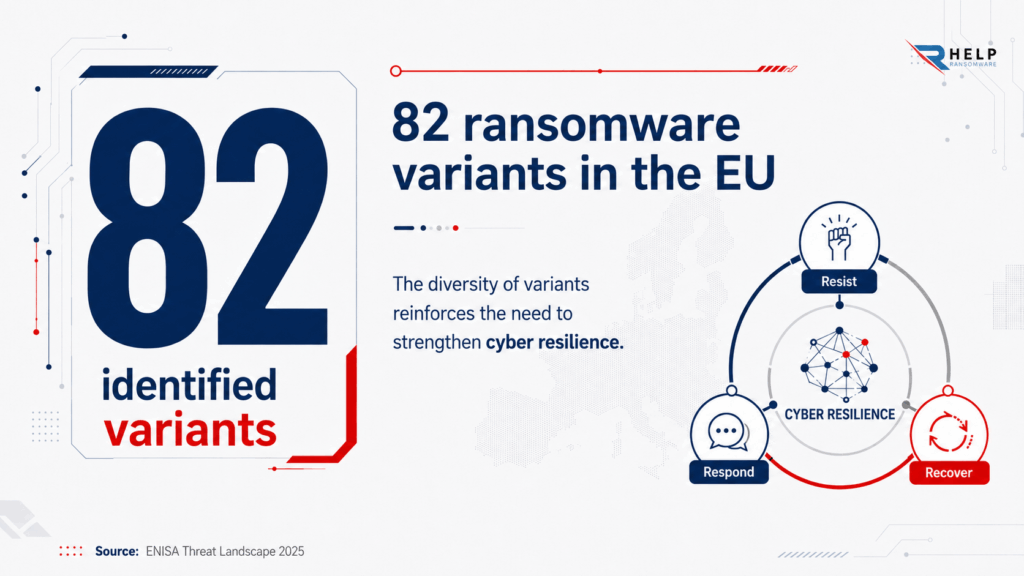
Cyber resilience is a company’s ability to prepare its systems, processes, and teams before an incident, maintain critical functions during a disruption, and restore operations with the least possible impact. Unlike an approach focused solely on blocking threats, cyber resilience combines prevention, detection, response, recovery, and continuous improvement.
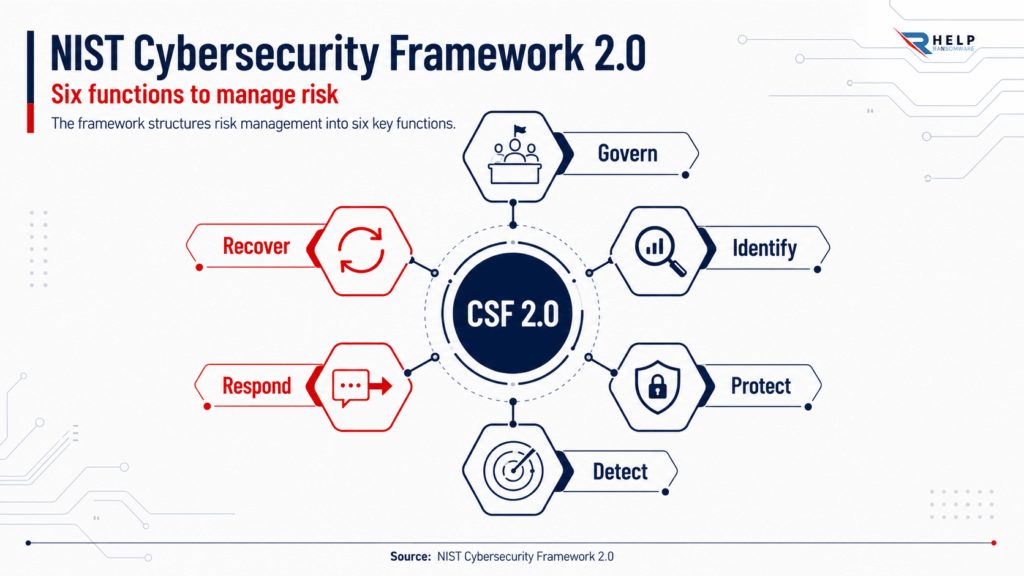
The NIST Cybersecurity Framework 2.0 organizes cybersecurity risk management into functions that help organizations understand, assess, prioritize, and communicate security efforts: Govern, Identify, Protect, Detect, Respond, and Recover. This structure shows that resilience does not begin when an attack occurs; it begins with the way a company governs its digital risk.
For this reason, cyber resilience must be part of cybersecurity for businesses. Installing defensive solutions is not enough: organizations need to know which assets keep the business running, which data is irreplaceable, which suppliers are critical, and how long the organization can operate without specific systems.
Why Cyber Resilience Will Be Critical After the Next Attack
Modern attacks aim to disrupt operations, steal information, expose data, and put pressure on third parties. In this context, cyber resilience makes the difference between a controlled outage and a prolonged crisis. A company that has tested its recovery can act more calmly; one that improvises often loses critical time.
The European Union Agency for Cybersecurity explained in the ENISA Threat Landscape 2025 that it analyzed 4,875 incidents occurring between July 2024 and June 2025, in a landscape where threat groups reuse tools, exploit vulnerabilities, and collaborate to target the resilience of Europe’s digital infrastructure.
This confirms that exposure is not exceptional. Any ransomware attack can lead to operational disruption, loss of trust, and financial pressure. Cyber resilience makes it possible to respond with defined processes: isolate systems, activate backups, communicate with customers, assess compromised data, and restore services according to priority.
How to Assess Business Cyber Resilience
Assessing cyber resilience does not mean reviewing a generic checklist of controls. It means measuring whether the company can continue operating under pressure. The central question is simple: if critical servers are encrypted tomorrow, data is leaked, or a key supplier goes down, does the organization know what to do during the first few hours?
CISA offers the Cyber Resilience Review, an interview-based assessment that examines an organization’s operational resilience and cybersecurity practices. Its value lies in connecting security with the continuity of critical services, not only with the presence of technical tools.
Questions That Reveal Real Recovery Capability
A company can start with practical questions: how long does it take to restore priority systems? Are backups isolated? Have they been tested under realistic conditions? Is there an alternative communication channel? Do teams know who makes decisions during a crisis? Are there critical contracts with no contingency plan?
Components of a Cyber Resilience Strategy
A business cyber resilience strategy must integrate technology, people, and processes. The first layer is risk reduction: MFA, privilege management, segmentation, updates, monitoring, asset inventory, and endpoint protection. Without these foundations, recovery becomes slower and more expensive.
The third layer is response. A cyberattack response plan must include owners, isolation procedures, legal communications, customer relations, evidence preservation, and criteria for activating external support. Resilience depends as much on technical execution as on coordination.
Business Continuity, Backups, and Recovery
Backups are essential, but they do not guarantee resilience on their own. They must be protected, isolated, encrypted, tested, and aligned with the business’s recovery objectives. There must also be a strategy for rebuilding identities, access, applications, and cloud environments if the attack affects the entire infrastructure.
Once the incident has occurred, technical analysis and ransomware data recovery can accelerate data recovery. However, a resilient company does not depend on a single route: it combines restoration, containment, forensic investigation, and the gradual recovery of services.
Cyber Resilience Against Ransomware and Cyber Extortion
Cyber resilience is especially important against ransomware and cyber extortion because these attacks do not only seek to compromise systems; they aim to disrupt critical operations, pressure the organization, and increase the cost of recovery. In many cases, the real impact is measured not only by encrypted files, but by the company’s ability to keep operating, make fast decisions, and restore essential services.
A ransomware attack can paralyze internal processes, affect customers, block suppliers, and cause economic consequences far beyond the initial technical cost. When there is also a threat of data leakage, public pressure, or contact with third parties, the incident becomes a case of cyber extortion that requires a coordinated response across technology, legal, communications, and management.
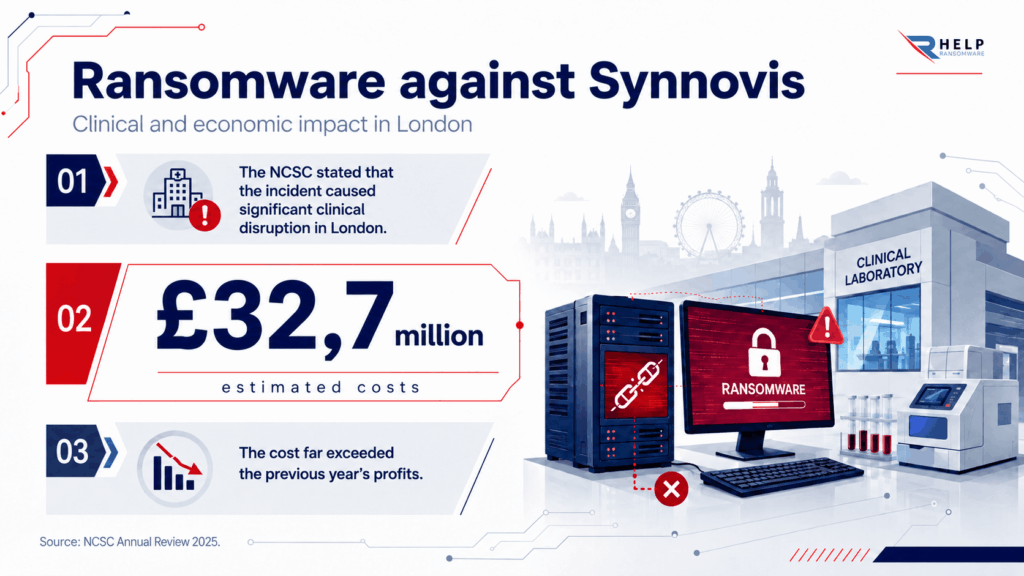
That is why a cyber-resilient company does not only try to prevent the attack. It also prepares tested backups, business continuity plans, communication protocols, crisis owners, and recovery mechanisms. The Synnovis case, cited by the UK’s NCSC, shows how a ransomware incident can cause severe operational disruption and multimillion-pound costs when critical services are affected.
Mistakes That Reduce Cyber Resilience
The first mistake is assuming that cyber resilience means buying more tools. Technology helps, but it does not replace tested processes. An EDR without defined owners, a backup without validated restoration, or a plan that nobody knows will not protect the business when a crisis arrives.
The third mistake is forgetting suppliers and third parties. Many disruptions begin outside the company’s direct network. Resilience requires reviewing third-party access, service-level agreements, alternative plans, and critical dependencies on software, cloud services, or external support.

Immediate Ransomware Help
Don’t let ransomware hold your business hostage. Our experts are ready to recover your data and secure your systems.
How to Strengthen Cyber Resilience Before the Next Incident
Strengthening cyber resilience starts with prioritization. The company must identify its essential processes, map critical assets, and set clear recovery objectives. It must then test those objectives through real exercises, ransomware simulations, and post-incident reviews.
It is also advisable to create runbooks for specific scenarios: mass encryption, data theft, supplier outages, privileged-account compromise, or public extortion. Each runbook should state what must be done, who does it, in what order, and under what criteria the incident is escalated.
Conclusion
Cyber resilience will be one of the most important capabilities for businesses after the next attack. It is not about accepting the failure of prevention, but about recognizing that no control is perfect and that business continuity must be prepared before a crisis occurs.
A resilient organization knows its assets, protects its data, tests its backups, trains its teams, communicates clearly, and learns from every incident. The difference lies not only in preventing attacks, but in preventing an attack from becoming an irreversible disruption.
At HelpRansomware, we help companies respond to ransomware, recover critical data, and strengthen their recovery capabilities. Cyber resilience cannot be improvised: it must be designed, tested, and improved before the next incident puts the company under severe pressure.
FAQ
A company is cyber-resilient when it can detect an incident in a timely manner, contain it, maintain its critical operations, and recover without relying on ad-hoc decisions. It’s not enough to simply have security tools: the key lies in testing backups, simulating crisis scenarios, measuring recovery times, and coordinating technical, legal, and executive teams.
Yes. Small and medium-sized businesses often have less capacity to withstand long disruptions. That is why they need simple plans, tested backups, and clear responsibilities.
No. Backups are an essential part of resilience, but they must be tested, protected, and combined with incident response, communication, access management, and business continuity.
Recovery should be tested regularly and whenever critical systems, suppliers, cloud architecture, or business processes change. An untested backup is a promise, not a guarantee.
It should be led by senior management with support from IT, security, legal, operations, and communications. Resilience affects the entire business, not only the technology department.